
Counselling in Bracknell
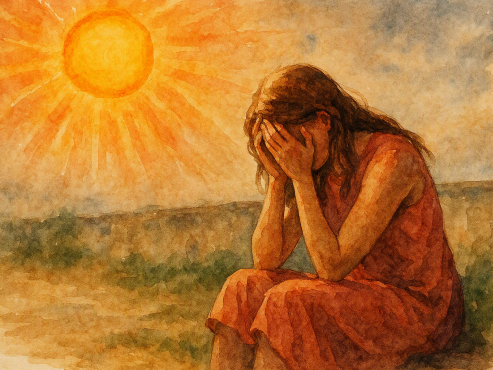
Heatwaves and Mental Health: The Hidden Impact of 38°C Temperatures in the UK
This blog explores the benefits and the less positive impacts of a heatwave on our mental health.
Heatwaves and Mental Health: The Hidden Impact of 38°C Temperatures in the UK
When most people think about a heatwave, they picture sunny days, barbecues, and trips to the beach. In the UK, where warm weather is often welcomed after long periods of rain and grey skies, temperatures reaching 38°C can feel like a rare opportunity to enjoy the outdoors.
Counselling: Love It or Hate It? What If It’s Not for You
Reaching out for counselling takes courage. It often means you’ve already carried a lot on your own, and you’re finally letting someone in. So when you sit in a session and feel disconnected, misunderstood, or even a little uncomfortable—it can feel really disheartening.

Cyberchondria: When Online Health Searches Fuel Anxiety
In today’s digital world, answers to almost anything are just a few clicks away. While this can be empowering, it can also come at a cost — especially when it comes to our health. For many people, repeatedly searching symptoms online can spiral into intense worry and distress. This experience is known as cyberchondria.
If you’ve ever gone online to check a headache and ended up convinced it might be something serious, you’re not alone.
Let’s explore what cyberchondria is, how it affects people, and how opening up about your own experience can help break the cycle.